The publication day of the Presidential Amnesty list was a day of national stillness. In every corner of Ghana, from the fish markets of Elmina to the gold mines of Obuasi, the Daily Graphic was the most precious commodity in the country.
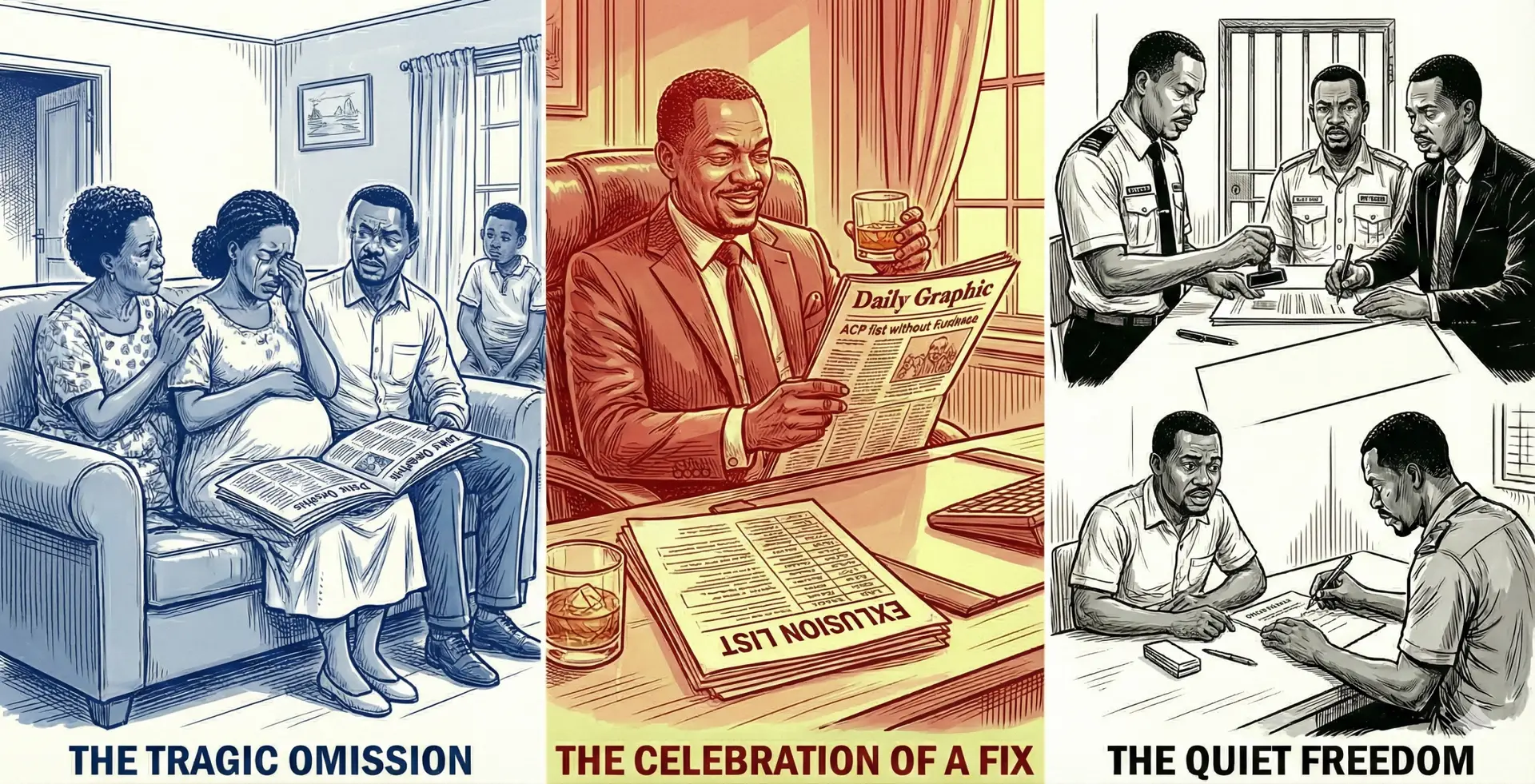
In Patasi, the Ofori household was unusually crowded. A pregnant Abena sat on the sofa, her hands resting on her stomach, her eyes fixed on the newspaper Osei had just brought in. The heat was stifling, and the silence in the room was broken only by the rhythmic rustle of the pages.
“Give me the list, Osei,” Abena said, her voice a fragile whisper.
Osei handed it over, his expression a carefully crafted mask of supportive concern. Inside, however, he felt a dark, pulsing triumph. He had seen the early drafts through his contacts at the port, names were being deleted, especially high-profile ones. He was certain Kwesi wouldn’t be there.
Abena began to read. Her finger traced the alphabetical list for the Ashanti Central Prison. Dankwa, D… Dankwa…
Her finger skipped from Danquah, Isaac ,to Darko, Samuel. There was no Kwesi. She read it again, her breath hitching. She read the entire Ashanti Central Prison section four times, the ink blurring as her eyes filled with tears.
“He’s not there,” she sobbed, the paper slipping from her lap. “He’s not on the list, Osei. Eight years… and they forgot him. Even the President forgot him.”00
Mrs. Ofori came to her daughter’s side, stroking her hair. “Hush, Abena. It was a long shot. The state has its own reasons. This just proves what we’ve been saying, you made the right choice for your child. You couldn’t wait for a man the law has turned its back on.”
Osei leaned back, a small, satisfied smile on his lips. “It is a tragedy, Abena. Truly. But at least now we have an answer. The system has spoken. We must focus on the baby now. We must focus on our family.”
In Accra, Jude Asamoah sat in his office, the same edition of the Daily Graphic spread across his desk. He had cross-referenced the list three times against his private “Exclusion List.” He saw Tetteh’s work in the gaps. Kwesi Dankwa was still safely tucked away in Cell 12, a prisoner of the state and a prisoner of history.
“Checkmate,” Jude whispered, pouring himself a celebratory drink. “The gates are open for the shadows, Kwesi, but they are closed for you.”
But in Ejisu, Uncle Gyasi and Opanyin Dankwa were staring at the same list with a different kind of grief. Opanyin sat on his porch, the paper trembling in his hands.
“He is not there, Gyasi,” the old man said, his voice a dry, rattling sound. “My son… they have left him to die in that place.”
“We will go to him tomorrow, Opanyin,” Gyasi promised, though he felt a hollow ache in his chest. “We will not let him share this grief alone.”
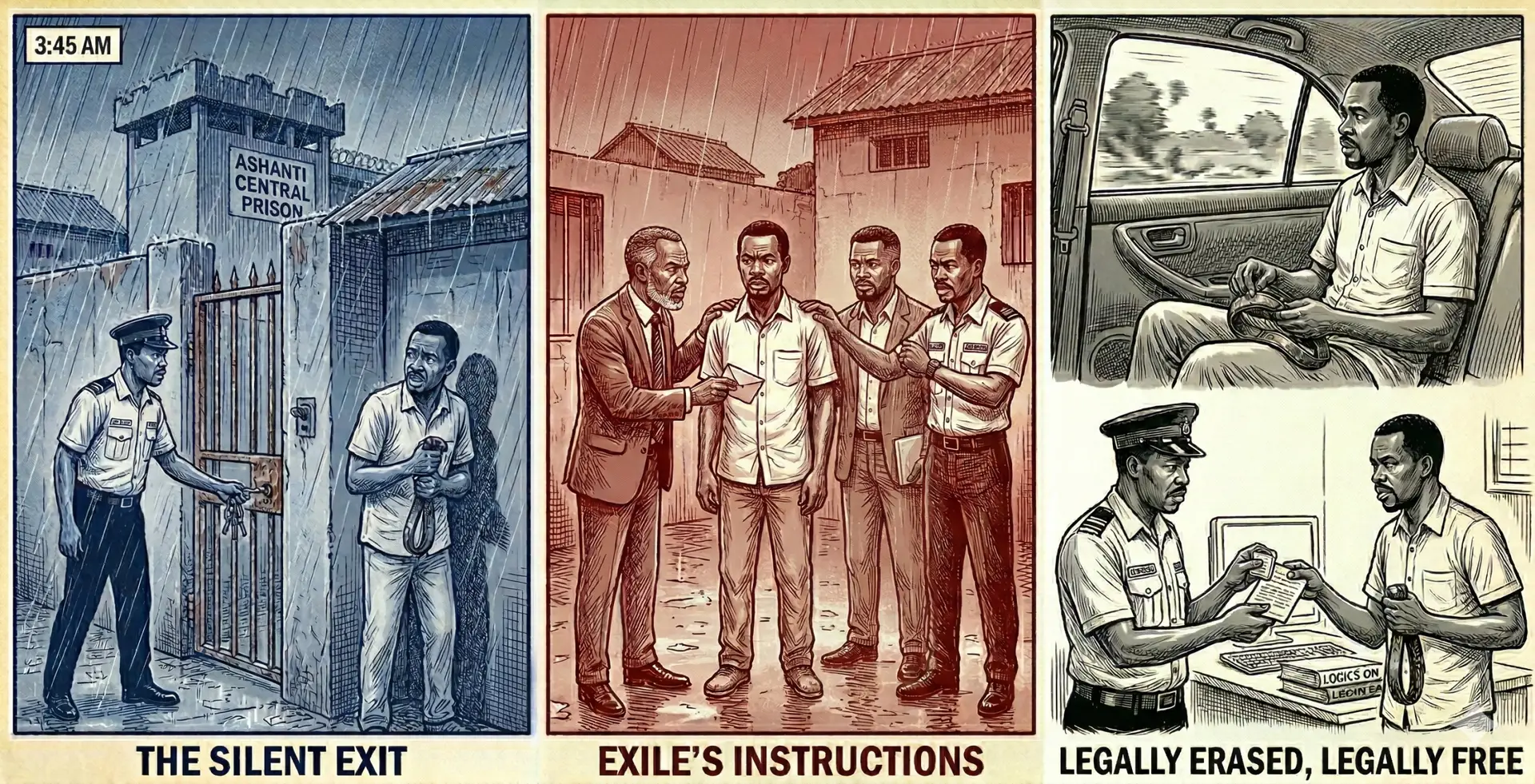
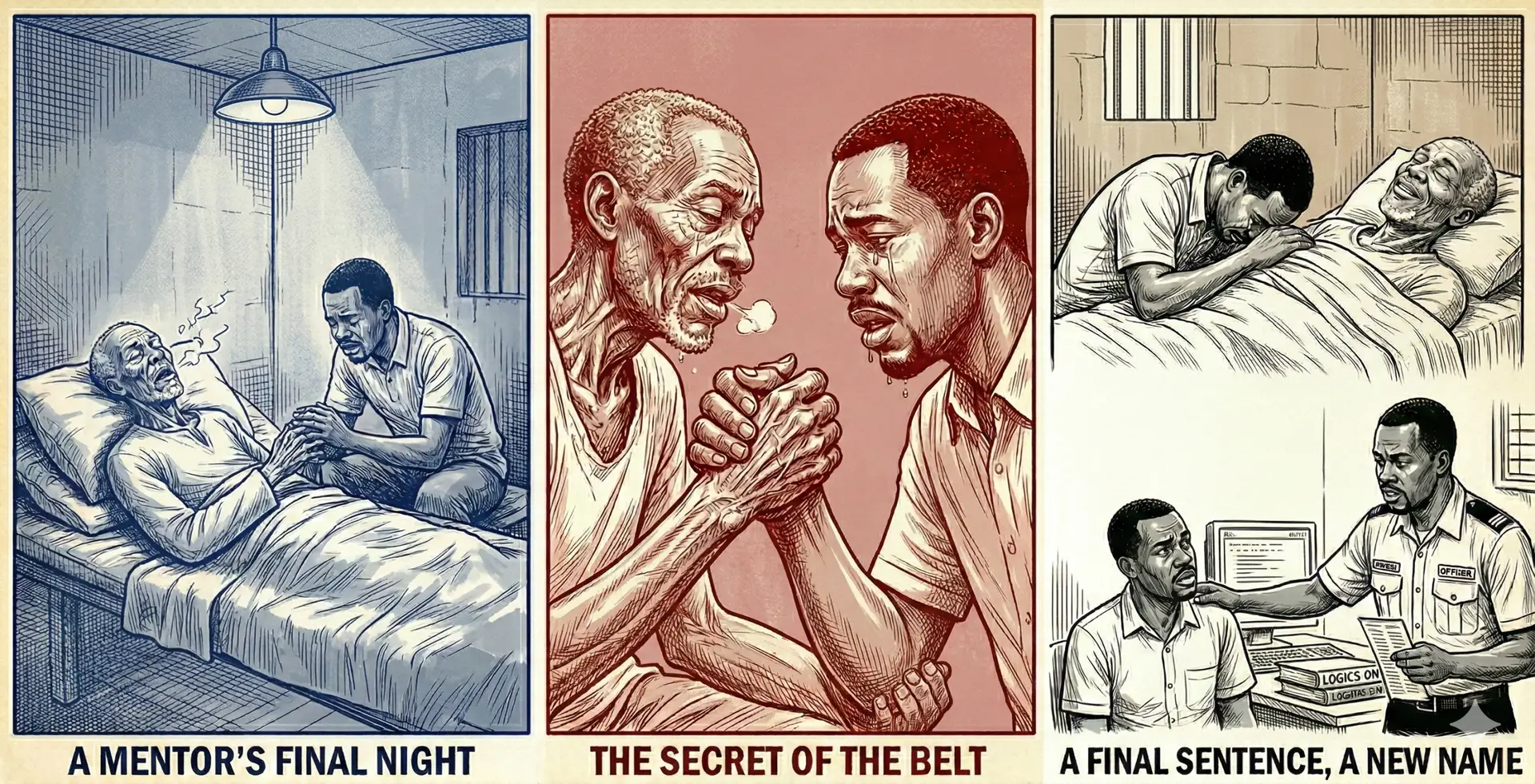
None of them knew that while they mourned the absence of a name, a man named Nana Kwame Mensah was currently being logged into the prison’s final release manifest. The name was common, a placeholder that drew no eyes and sparked no audits. Kwesi Dankwa was officially a shadow in the records, but for the first time in eight years, he was legally a free man, and yet even he himself did not know that he was a freeman.